Fans are out of stock everywhere. The green green grass of home is actually yellow. Pricing up air conditioning is a new pastime.
Welcome to summer in the UK.
The Met office said 2025 was officially the warmest year on record but looking at the statistics, 2026 looks set to be even hotter. The UK’s climate is getting warmer and drier, characterised by droughts, temperatures that regularly exceed 30°C and tropical nights where the thermometer doesn’t drop below 20°C.
The future? There’s bad news for those who have listlessly slumped at home due to oppressive indoor conditions. According to The Climate Change Committee, 92% of existing homes could be at risk of overheating by 2050.
Homes include rental properties. We are guilty of fixating on keeping homes warm in winter, and fighting the condensation and damp battle that accompanies the job. It’s a battle landlords are losing. Some 441,000 private rented homes in England failed thermal comfort standards in 2024, according to data analysis by Inventory Base.
This summer has ensured keeping homes cool is just as important for landlords. We’ve been asked a fair few questions about a tenant’s right to a comfortable home, so this article answers some of the most common.
Q. My tenant has complained the heat in their home is illegal. Can that be true?
A. There is no maximum temperature limit for inside privately rented properties. Landlords won’t break any law if a thermometer reading reaches a certain limit. That doesn’t mean a landlord can let a property get as hot as they like. Rules around excess heat exist but they’re indirect.
Q. Is there any Government regulation about heat in rented homes?
A. Yes. Landlords in England and Wales must ensure their rentals are hazard free. The Government’s Housing Health and Safety Rating System (HHSRS) is used to assess a property and identify risks. There are 21 risks and excess heat is one of them. If a landlord lets excess heat develop or continue, the tenant can follow a set path to complain.
Q. How hot is too hot for tenants?
A. When at home, a comfortable ambient temperature is around 18°C. The World Health Organisation (WHO) states an internal temperature of 24°C or above is excessive. When it comes to excess heat in a privately rented property, the bigger picture is taken into account. The Government says ‘a lack of ventilation can cause a property to become overheated, airless and stifling’.
Rather than base action on a set temperature, a local council officer can visit to look at the condition of the property and assess how the heat affects the most vulnerable member of the household. The most vulnerable person will be a baby, a young child, the oldest person or someone with a chronic health condition. The hazard will be how the heat inside the home affects the most vulnerable person’s health.
Q. Why might my buy-to-let overheat?
A. Excess heat can stem from poor air flow. Windows that don’t open or have small openings will restrict natural ventilation. If expanses of glass, including patio doors and skylights, aren’t shaded, the temperature will quickly rise due to solar gain. Both matters can be compounded if the property faces south. Don’t discount insulation either.
Poor insulation and rooms directly below uninsulated roofs can contribute to excess heat. Finally, if the tenant can’t control the heating, it may stay on during the hottest months.
Q. What can I do to make my buy-to-let cooler for tenants?
A. The following will help reduce excess heat:
-
Ensure all windows and doors can be opened without creating a fall or security risk
-
Make sure trickle vents and safety catches work
-
Install awnings, shades and shutters to the outside of the property, especially to southerly-facing aspects
-
Repaint the exterior render a light colour or use solar reflective paint
-
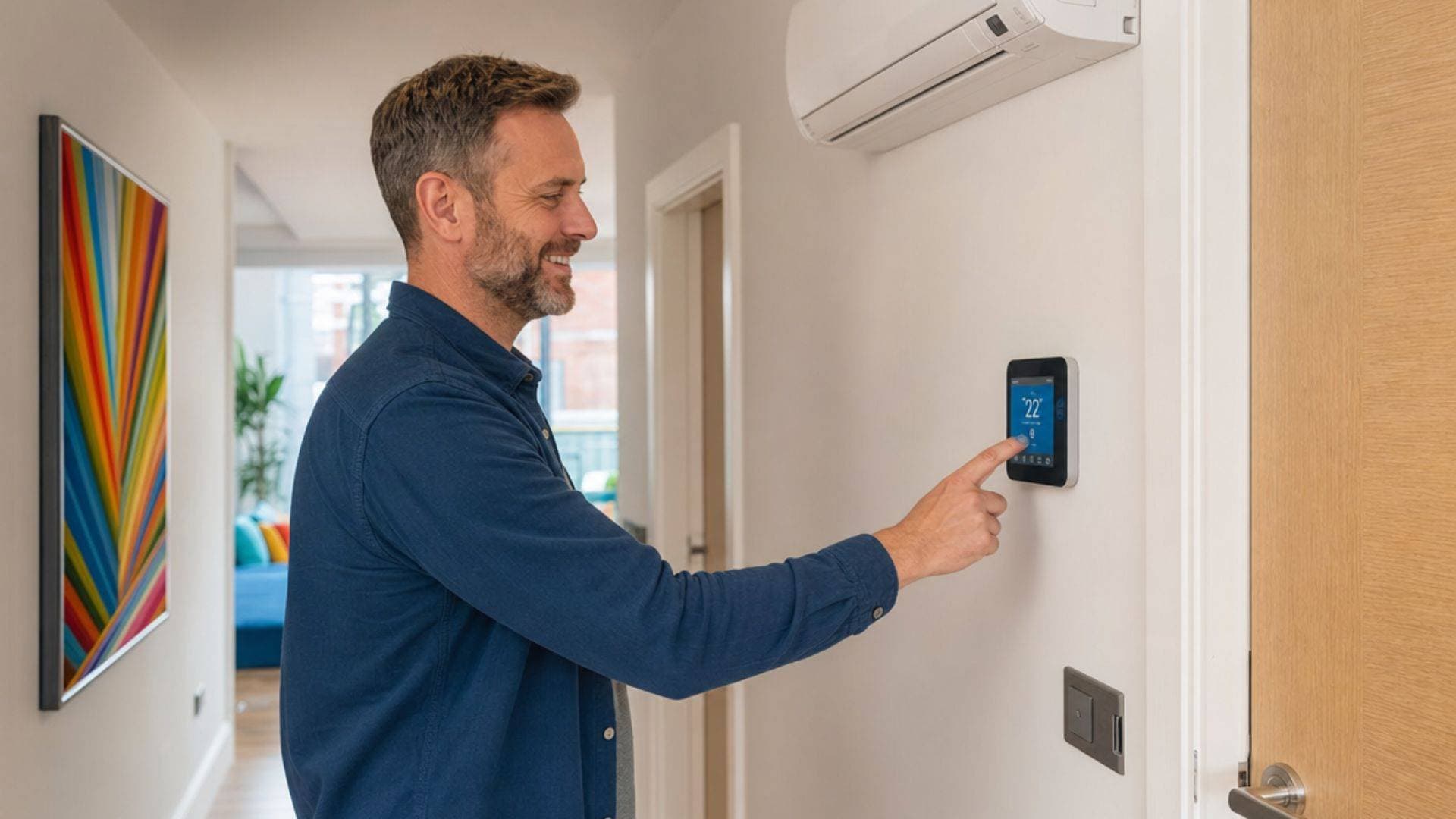
Install air conditioning or supply a portable air con unit, ensuring electrical safety standards are upheld
-
Ensure central heating controls and thermostats are working
-
Improve insulation – it can slow down the transfer of outdoor heat from the roof and walls into living spaces
Q. What might happen if I don’t correct an excess heat hazard?
A. If a landlord receives a complaint from a tenant about excess heat and doesn’t address the issue, the tenant can complain to their local council. An officer can visit to make an assessment using the HHSRS framework.
They’ll categorise the heat hazard and take action. This could be an advisory note but councils can force private landlords to make changes, or they can make immediate changes themselves and bill the landlord for the work. In the most serious of cases, the landlord can be prevented from renting a home or prosecuted and/or fined up to £7,000.
Q. I’m a landlord in Scotland, what rules apply to me?
A. Like in England and Wales, there is no maximum temperature that is deemed unsafe in private rentals but excess heat is still classed as a hazard. Scottish landlords need to comply with The Tolerable Standard, The Repairing Standard and the Scottish Housing Quality Standard (SHQS).
If you’d like advice about running your buy-to-let, get in touch. Our property managers can help with any work required to keep your let compliant.
Share this article
More Articles


Sign up for our newsletter
Subscribe to receive the latest property market information to your inbox, full of market knowledge and tips for your home.
You may unsubscribe at any time. See our Privacy Policy.