
The 2025 Sustainability Gap: At a Glance
- Market Snapshot: 46% of homes for sale and 58% of rentals currently hold an EPC rating of C or above.
- The Cost of Inefficiency: Annual energy bills for EPC A properties average £571, while EPC G homes can reach £6,368.
- Quality of Life: 58% of residents are motivated by comfort and lifestyle rather than just environmental concerns.
- The Reality Check: Despite significant policy shifts, the momentum for residential energy upgrades has slowed over the last five years.
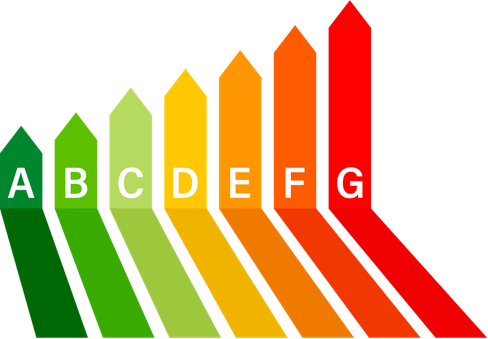
The latest data from the fourth annual Greener Homes Report tracks the evolution of sustainable property trends across the UK. By looking at 17 million EPC certificates and nearly 30 million property listings, the research uncovers the truth about how homeowners, landlords, and renters really feel about the green transition.
EPC Progress: A Story of Two Halves
In 2015, the UK property market looked very different. Only 29% of resale homes and 41% of rentals met the EPC C threshold. Fast forward to 2025, and while those figures have risen to 46% and 58%, the green rush appears to be cooling.
The data reveals a concerning trend in the rental sector. Between 2015 and 2020, the number of EPC C-rated rentals jumped by 11%. However, in the subsequent five years (2020–2025), that growth slowed to just 6%.
It appears that policy ambition has not yet translated into real-world acceleration. While green improvements were expected to surge following recent government pushes, progress has actually decelerated. Landlords currently face a difficult balancing act between the cost of compliance and long-term property value.
Interestingly, the data isn't all gloom; 50% of all green upgrades recorded since 2020 were completed in the last 12 months, suggesting that some proactive landlords are finally taking action.
The Barriers to Going Green
Why the hesitation? While 84% of people claim that energy efficiency is important, there is a massive knowledge gap. Half of all homeowners—and nearly two-thirds of renters—do not actually know their current EPC rating.
Furthermore, the motivations behind these changes are shifting. Carbon reduction is no longer the primary driver, with only 42% citing the environment as their main reason for making changes. Instead, 83% are driven by cost savings. The main hurdles include:
- Physical Disruption: The mess and hassle of retrofitting is now a major deterrent.
- Scepticism: 37% of buyers say a property’s EPC rating will not influence their final purchase decision.
- Upfront Costs: The initial investment remains a significant barrier despite the promise of long-term savings.
Real Lives, Real Savings
Beyond the statistics, how does living in a high-efficiency home actually feel? Several households have shared their experiences of embracing the transition.
The Urban Saver
Megan in London uses solar panels and a biomass system. She initially thought green tech was just for the wealthy, but her home now stays perfectly tempered year-round, and she effectively pays nothing for heating or hot water. It even helped her secure a mortgage because the lender could see she had no energy overheads.
The Accidental Environmentalist
Matt in West Sussex moved into a home that already had solar panels. On a sunny day, the household does not pay for electricity for 13 hours. They have even made over £300 in a single season by selling excess power back to the grid, making the setup a significant financial benefit.
Malcolm in West Cumbria combined solar with battery storage and an electric car. Despite being nervous about the costs, his total monthly bill for gas, electricity, and car fuel is now just £100. For those on the fence, he suggests taking the plunge.
Ready to Lower Your Bills?
The market is shifting, even if slowly. Mentions of heat pumps in property listings have surged by 46%, and solar panels are up 37% year-on-year. With the gap between the best and worst-performing homes exceeding £5,000 a year, the financial argument for upgrading is stronger than ever.
Next Steps for You:
- Check your rating: Use the official government register to find your current EPC and see tailored recommendations for improvements.
- Explore funding: Investigate the Boiler Upgrade Scheme to see if you qualify for grants toward low-carbon heating solutions.
- Track the market: Use our energy bill tracker to see how your property type compares to the national average.
Share this article
More Articles



Sign up for our newsletter
Subscribe to receive the latest property market information to your inbox, full of market knowledge and tips for your home.
You may unsubscribe at any time. See our Privacy Policy.